


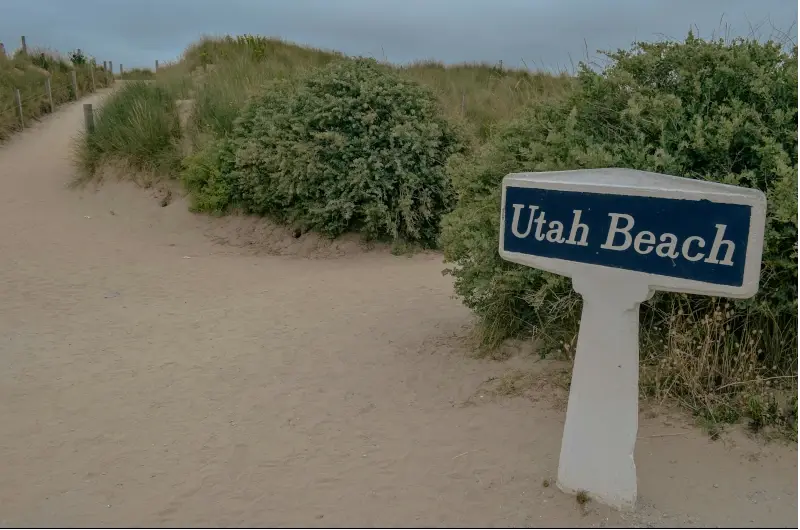
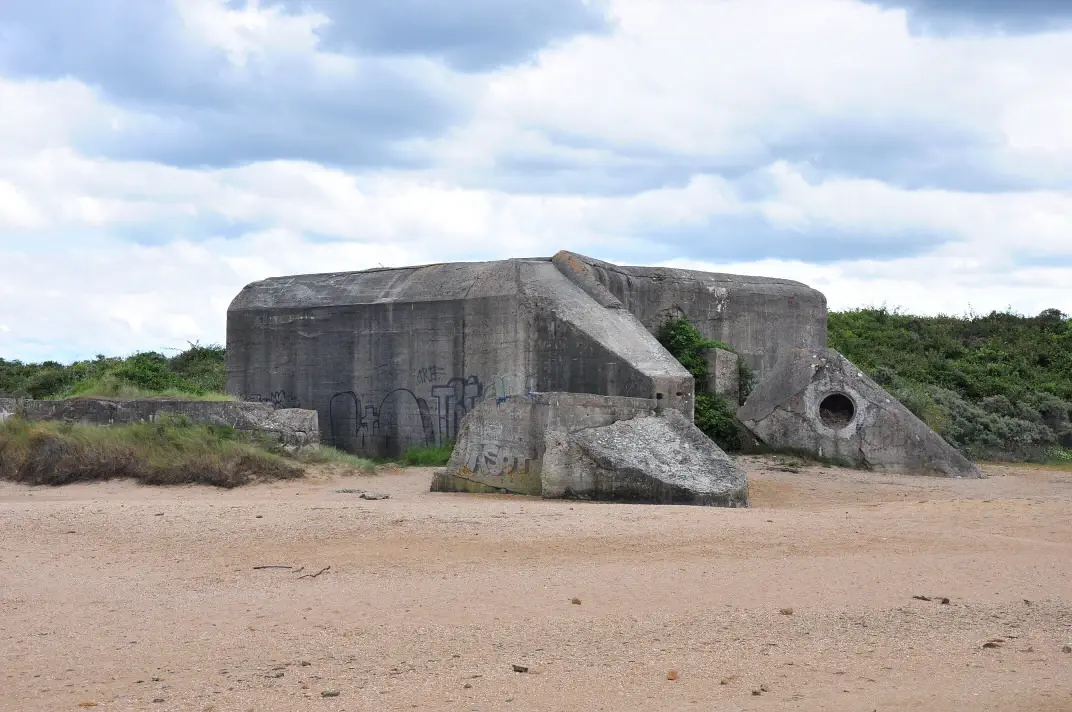
Utah Beach
The westernmost beach, where U.S. troops landed near Sainte-Marie-du-Mont and linked with paratroopers inland.
On June 6th 1944, Allied forces landed along 80 kilometers of Normandy’s coastline.
The D-Day beaches (Utah, Omaha, Gold, Juno, and Sword) stretch from the Cotentin Peninsula in the west to Ouistreham in the east.
Divided among American, British, and Canadian troops, supported by airborne divisions inland, they played a unique role in Operation Overlord, the largest amphibious invasion in history.
Here is everything you need to know to prepare your visit to these peaceful landscapes that still carry the memory of the soldiers who fought and fell there.
Each landing beach can be visited individually, or as part of a combined D-Day itinerary.
Click below to learn about the history, key sites, and memorials for each sector :
The westernmost beach, where U.S. troops landed near Sainte-Marie-du-Mont and linked with paratroopers inland.
The bloodiest of all, where American forces faced steep bluffs and heavy resistance.
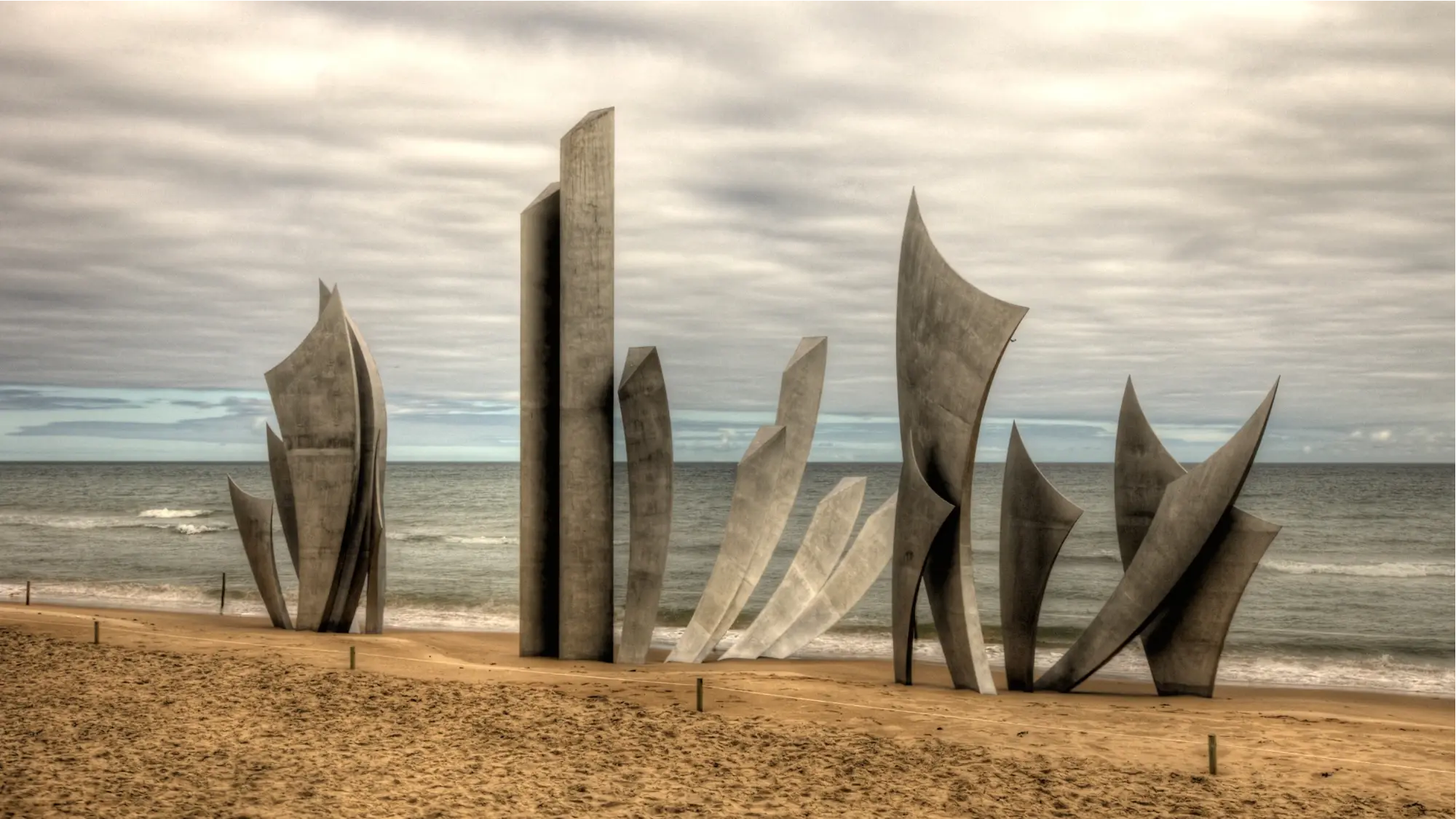
The central British sector, captured by the 50th Division and linked to the Mulberry Harbour at Arromanches.
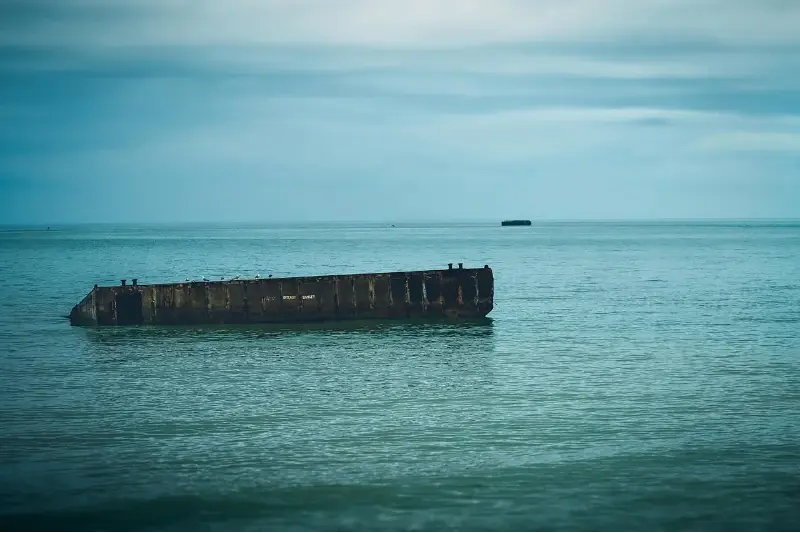
Where Canadian forces landed between Courseulles and Bernières, pushing inland toward Caen.
The easternmost landing, taken by British troops supported by paratroopers at Pegasus Bridge.
We offer a full range of D-Day itineraries all including D-Day beaches.
Plan your trip to Normandy with us :
Yes, but it will be more of a quick overview, mostly by car, with our five D-Day Beaches 1 day Tour.
If you want deeper context and time at each site, we recommend our 2 day D-Day beaches itinerary for a more complete experience.
Each sector has its own story. Omaha is the most symbolic for Americans, Juno for Canadians, and Gold/Sword for the British. Utah marks the western flank of the invasion.
Yes, the beaches themselves and most memorials are free. Museums entry fees are not always included in D-Day tours.
Comfortable walking shoes and windproof clothing. The coast can be breezy even in summer.
Yes, most museums and memorials are accessible. Some terrain (sand, slopes, bunkers) may be difficult; our guides adapt the visit accordingly.